 INFINITY Endless flow of goods and services

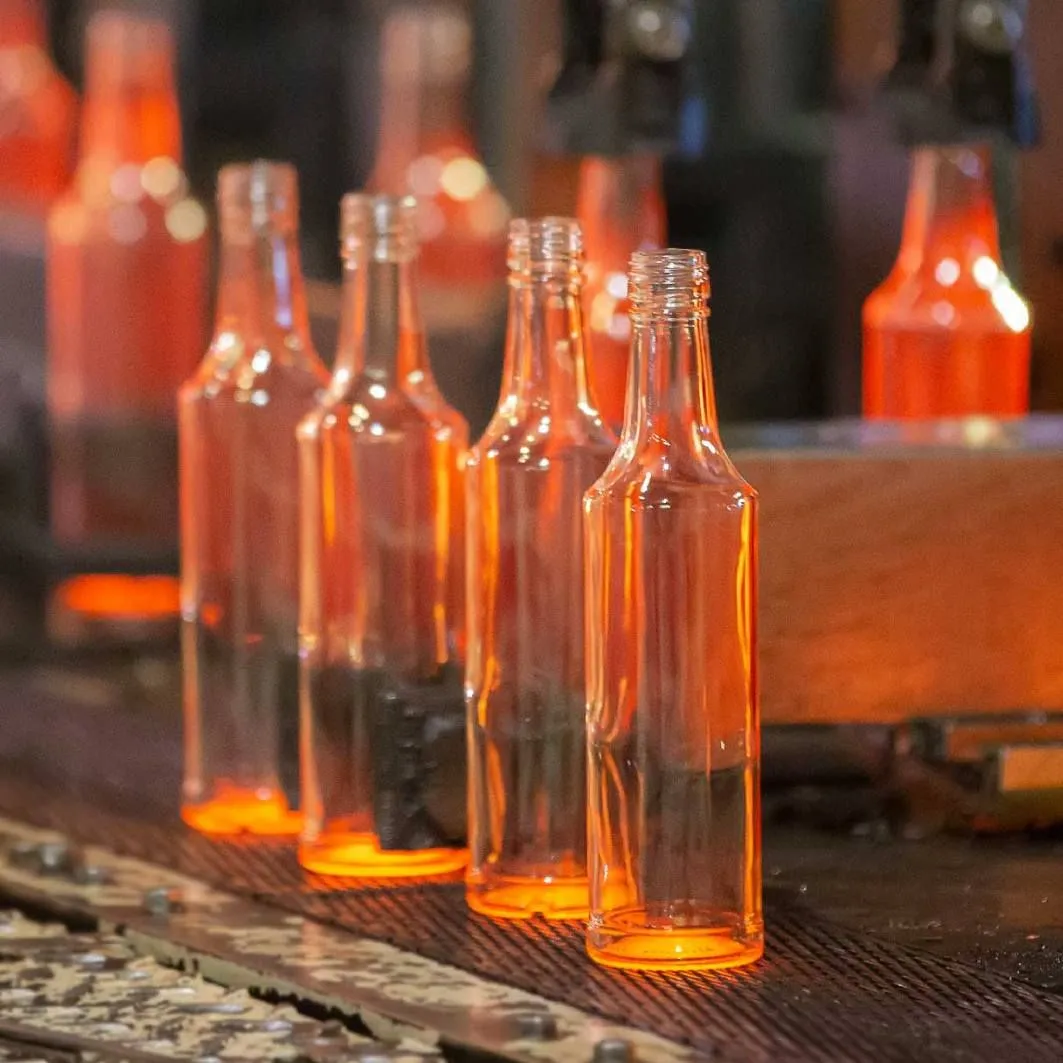


Kazakhstan is preparing several large glass industry projects at once. In Aktobe, construction of a container glass plant with capacity of up to 256 million containers a year is due to start in Q4 2026, with production planned for 2029. In the Kyzylorda region a German investor is preparing a plant for up to 240 million containers a year, scheduled for commissioning in December 2027. For industrial engineering the takeaway is clear: demand for glass plant equipment in the region is growing, and mistakes made at the feasibility stage are getting more expensive. Here are five decisions to take before signing supply contracts.
1. Market and product mix: how much and what kind of glass
Plant capacity is not set in the abstract but around a specific product mix: beer, soft drinks, water, food jars, pharmaceuticals. The mix drives glass colour, article weight, the number of sections on the forming machines and how often moulds are changed. One public benchmark: the Aktobe project expects to sell about 80% of its output in Kazakhstan and the rest in Central Asia. It is worth testing a similar split for your own project, as shipping containers over long distances quickly erodes margins.
- define 3–5 core product groups and their share of output;
- choose a colour strategy (flint, amber, green) — every colour change in the furnace means lost output;
- confirm major fillers’ requirements for weight, tolerances and packaging.
2. The melting furnace is the heart of the project
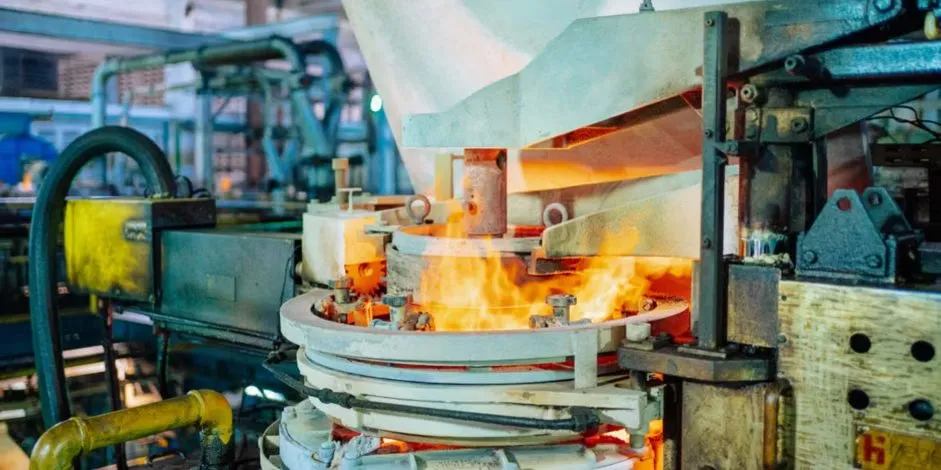
Melting accounts for more than half of the glass industry’s energy use, so the furnace choice shapes plant economics for years. Firing type, refractories, regenerators and control systems are all fixed in the basic design. A typical container furnace campaign runs 8–10 years before a cold repair, although campaigns of more than 15 years have been recorded. Industry specialists link long campaigns to robust refractories, planning before the furnace is lit, in-campaign monitoring and access to capable hot-repair contractors.
- compare furnaces on specific energy consumption and expected campaign life, not on price alone;
- decide in advance who will carry out hot repairs and how;
- build the future cold repair into the schedule and budget.
3. Cullet and raw materials
A widely used industry rule of thumb says that every additional 10% of cullet in the batch cuts furnace energy use by roughly 2.5–3%. Lower melting temperatures and a less corrosive batch are estimated to extend furnace life by up to 30%. That makes cullet receiving, sorting and preparation part of the core process, not an optional green add-on. The Aktobe project, for example, plans to process more than 245,000 tonnes of glass waste. At the same time, the quality of local quartz sand and other batch components needs confirming: laboratory testing of raw materials is best done before selecting a furnace supplier.
4. Forming, quality control and automation
Downstream of the furnace come feeders, forming machines, annealing lehrs, hot- and cold-end coating, inspection and packaging. Decisions in these areas are interlinked: line output is limited by its weakest link. Pay attention to:
- compatibility between equipment from different makers and a single process control system;
- automated cold-end defect inspection — fillers’ reject requirements are strict;
- mould storage and maintenance: mould sets are a permanent cost item.
If some equipment comes from manufacturers new to you, including in China, a factory audit, reference checks and factory acceptance tests (FAT) at the maker’s site significantly reduce risk. This is where equipment sourcing from China and a China supplier audit pay off.
5. Logistics, customs and the installation schedule
Equipment for a glass plant means many containers, oversized units and large volumes of refractories that must arrive in the right sequence. Refractories need dry storage, and a delay on a single item can push back furnace heat-up. The route, permits for project cargo and EAEU customs clearance are best planned at contract stage, not after shipment.
How Infinity Group helps
Infinity Group has worked in industrial engineering since 2013, supporting projects across the CIS, the GCC and Asia-Pacific from offices in Almaty, Tashkent, Moscow, Abu Dhabi and Guangzhou. For glass projects we offer three engagement models:
- EP+S — engineering, equipment supply and service for container glass and flat glass production;
- PMC — owner’s engineer and project management consultancy, from feasibility study and technology selection to commissioning;
- PCL — supplier search and audit in China, inspection, DDP delivery and production line logistics including customs clearance.
Planning a glass plant or a furnace upgrade? Send us a request and we will discuss your project and suggest the right way to work together.
Sources: Bizmedia.kz, Kursiv.media, CTCN (UNFCCC), Glassonweb / SORG, British Glass