 INFINITY Endless flow of goods and services
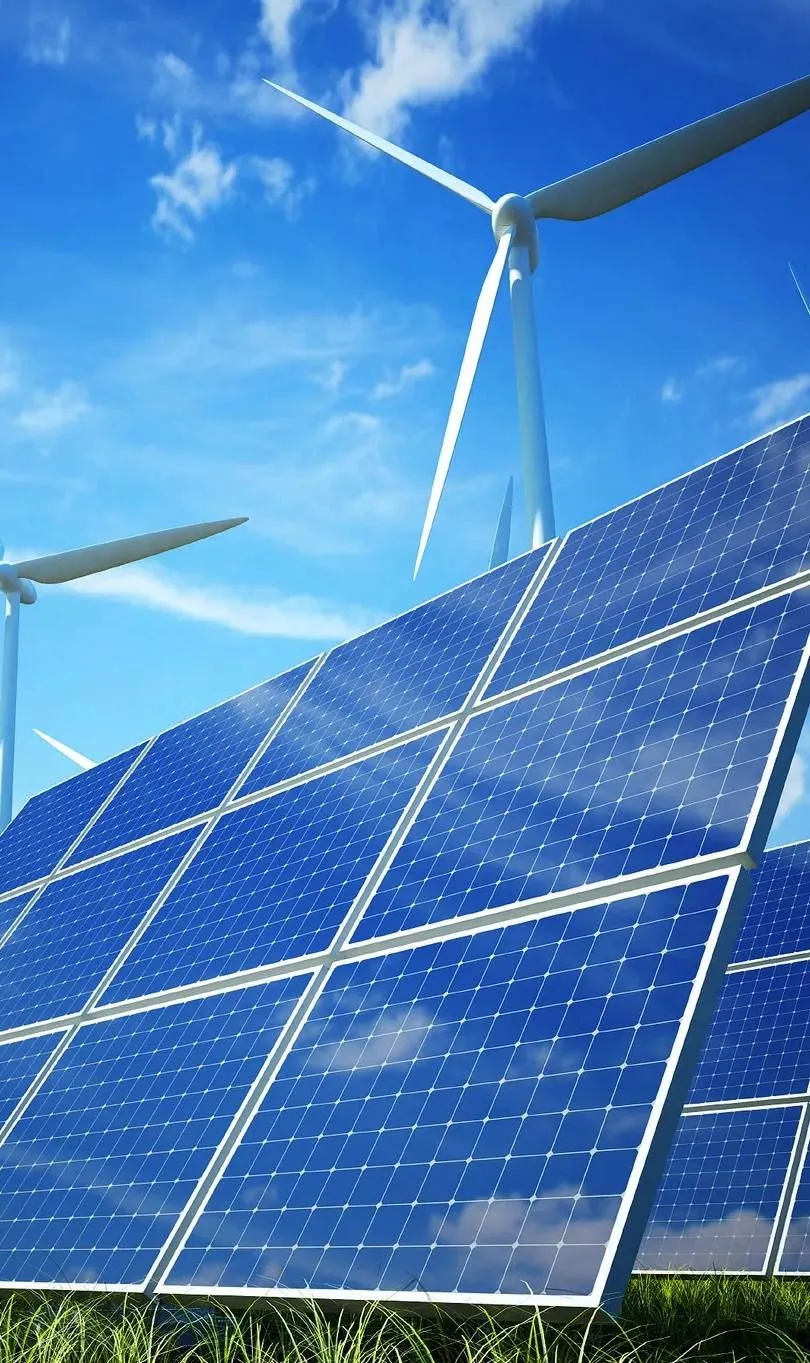
Sourcing solar equipment from China for plants in Kazakhstan and Uzbekistan is about much more than choosing a module brand. This guide shows how to audit the factory, accept each batch and keep logistics on schedule.
Why module quality matters more now
The regional market is growing fast. According to Eni data cited by UzDaily, Uzbekistan's installed solar capacity grew 86.1% in 2025 to 5,934 MW, while Kazakhstan reached 1,325 MW. Kazakhstan's Ministry of Energy told 24.kz that 5.9 GW of the 13.3 GW of new capacity planned by 2029 will be renewables, and that large projects include energy storage of about 30% of plant capacity.
Pricing in China has shifted too. From 1 April 2026, China's Ministry of Finance and tax administration fully removed the export VAT rebate for PV products — wafers, cells and modules (the rate had already been cut from 13% to 9% in November 2024). For batteries, the rebate drops from 9% to 6% until the end of 2026 and is abolished from 1 January 2027. PV Tech reported that the decision triggered panic buying and higher quotes in early 2026. When manufacturer margins tighten, the temptation to save on materials grows — so buyer-side technical control matters more.
Step 1. China supplier audit before you sign
IEC 61215 and IEC 61730 certificates are the baseline, but they qualify a module design, not every batch. A China supplier audit should happen before the contract. Based on SGS and UL Solutions methodologies, check:
- the quality management system and alignment with IEC TS 62941;
- incoming inspection, storage and traceability of glass, EVA/POE, backsheet, cells and junction boxes;
- process control and in-line metrology;
- packing and shipping of finished goods;
- which site will actually build your order — quality can differ between plants of the same manufacturer.
The same logic applies to inverters and BESS: request test reports for the exact model, check compliance with the grid operator's requirements in the destination country and agree in advance on the scope of factory acceptance tests (FAT) attended by your representative.
Step 2. Lock the bill of materials (BOM)
The key risk is material substitution after testing. Kiwa PVEL stresses ensuring the BOM that was tested matches the BOM deployed on site. In practice, the component list and sub-suppliers are fixed in the contract, and any change requires the buyer's written approval.
Step 3. Pre-shipment inspection
The numbers speak for themselves: of 774 batches inspected by Kiwa PI Berlin in 2022–2023, only 76 were defect-free. Defect rates ranged from 0% to 14% between manufacturers. The most frequent findings come from electroluminescence (EL) imaging: microcracks, weak soldering and cell contamination, followed by frame defects.
A typical pre-shipment inspection covers:
- visual and dimensional checks;
- flash testing (power measurement) and bifaciality for bifacial modules;
- EL imaging of a sample;
- sampling to ISO 2859-1; Kiwa recommends AQL 0 for critical, at most 1.5 for major and 4.0 for minor defects, with lots of no more than 10 MW or one week of production.
Step 4. Logistics, customs and lead times
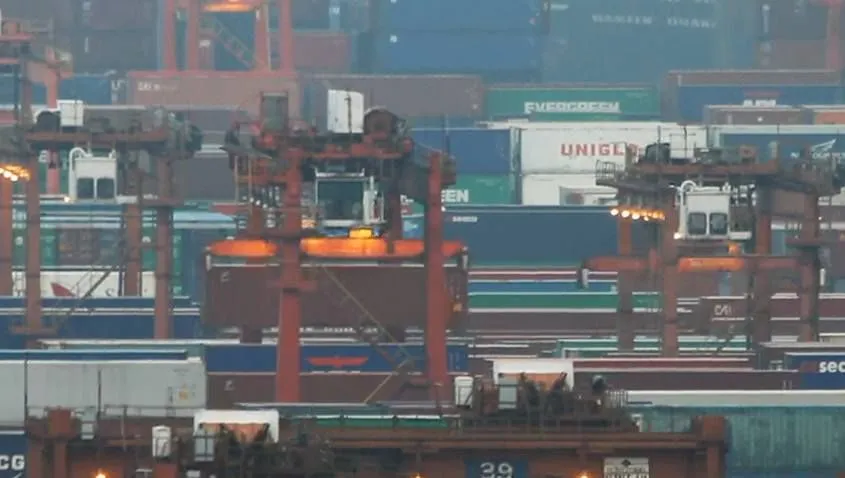
Modules are fragile cargo: microcracks also appear during transshipment. Agree on packing and securing, loading rules and site acceptance with a repeat sample EL check. Inverters, transformer substations and containerised battery energy storage (BESS) need a separate plan: some items are oversized, and lithium batteries ship as dangerous goods. EAEU customs clearance and certification should be built into the schedule early, not when the cargo reaches the border.
How Infinity Group helps
We support solar power projects from our offices in Almaty, Tashkent, Moscow, Abu Dhabi and Guangzhou:
- EP+S — engineering, procurement of modules, inverters and BESS, and service;
- PMC — owner's engineer and project management: technical requirements, BOM control, acceptance;
- PCL — supplier search and audit in China, pre-shipment inspection, DDP delivery, dangerous goods and oversized cargo transport.
Planning a solar plant or energy storage system? Send us a request and we will discuss the task and the right engagement model.
Sources: 24.kz, UzDaily.uz, PV Tech, PV Tech (prices), Kiwa PVEL, SGS, UL Solutions