 INFINITY Endless flow of goods and services
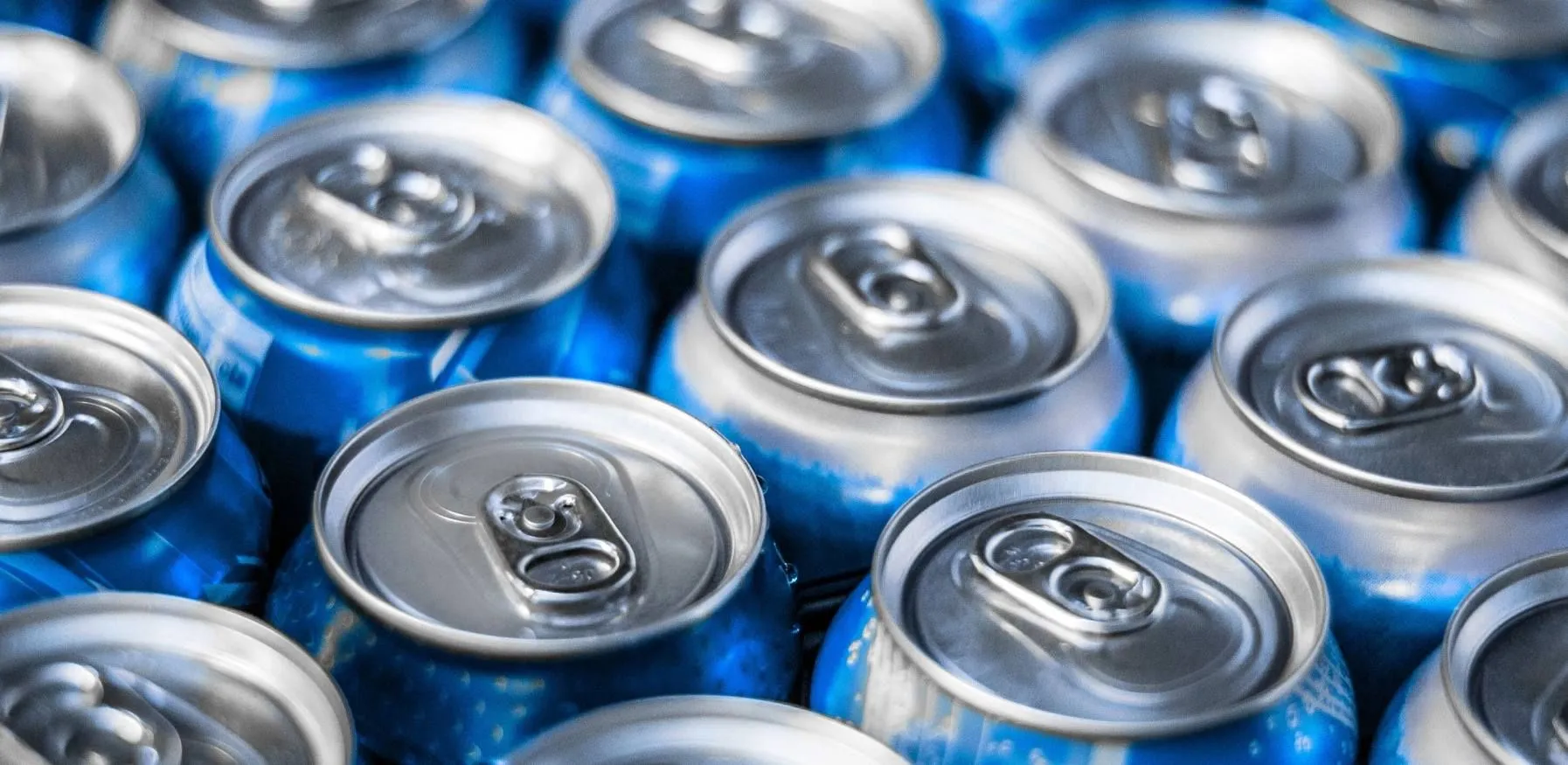
Aluminium beverage cans are growing more steadily than most packaging segments, and in Central Asia the market is only now taking shape. For a beverage producer or an investor the question is whether to keep importing cans or to build an aluminium can line locally. Here is what open data shows and which decisions to make before buying equipment.
The global market: moderate but resilient growth
According to the METPACK 2026 Metal Packaging Outlook (based on Smithers data), the global metal packaging market was worth about US$155 billion in 2025 and could reach US$185 billion by 2031, roughly 3% a year. Cans account for about 58% of that value, and beverage cans alone for around US$41 billion, forecast to rise to US$50 billion by 2031.
Circularity is the key driver. European Aluminium and Metal Packaging Europe report that the recycling rate for aluminium beverage cans in the EU, UK, Switzerland, Norway and Iceland reached 76.3% in 2023. Deposit return schemes made a sharp difference: Slovakia went from 58% to 91% and Latvia from 60% to 74%.
Central Asia: from imports to local plants
The region has long relied on imported cans. That is changing:
- Kazakhstan. In 2022 the QAZALPACK plant opened in the Ontustik industrial zone in Shymkent, with planned capacity of up to 600 million cans a year. The company said this could cover about a third of the Kazakh market and support exports.
- Uzbekistan. IFC announced up to US$18 million in financing for East Can Solutions, the country's first greenfield aluminium can plant in Tashkent, with capacity of up to 1.1 billion cans a year and more than 200 jobs. IFC notes that Uzbekistan's metal packaging industry currently depends entirely on imports.
The raw-material base is expanding too. the Kazakhstan Aluminium Smelter in Pavlodar produces about 260,000 tonnes of primary aluminium a year, and China's East Hope Group plans a complex in the Kostanay and Aktobe regions with a first phase of 1 million tonnes of aluminium, tentatively targeting production around 2028. Primary metal is not can stock, however: body and end sheet still has to be sourced abroad.
What an aluminium can line consists of
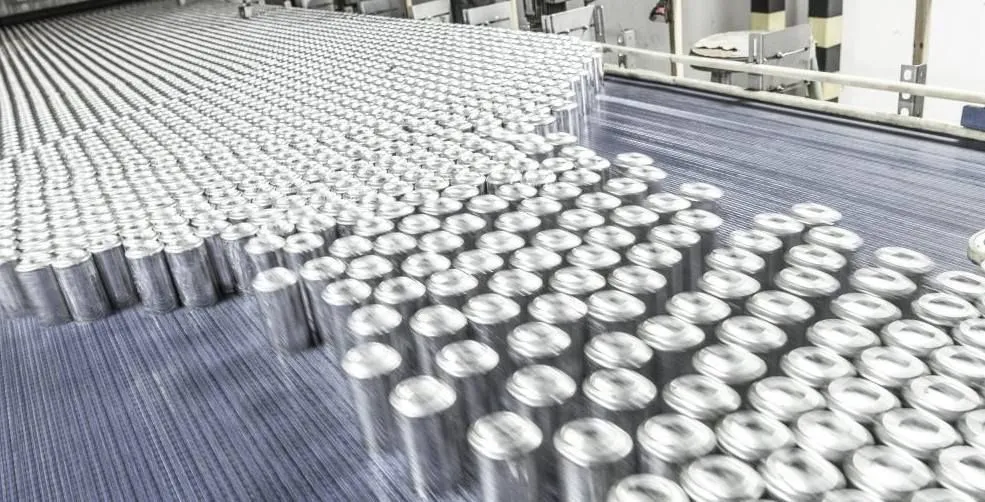
A typical line is a chain of machines matched in speed, so a weak link limits the whole flow:
- coil uncoiler, lubrication and cupper press to form the cup;
- bodymaker for drawing and wall ironing, then trimmer;
- washer and dryer, internal and external coating;
- decorator for printing and curing ovens;
- necker and flanger to form the neck for the end;
- leak testing, camera inspection and palletising.
Ends and tabs are a separate block, made in-house or purchased. Many start-up projects buy ends and produce bodies themselves.
Five decisions before buying equipment
- Format and capacity. The mix of can sizes (standard, sleek, slim) drives tooling and changeovers; size capacity to confirmed demand, with headroom for exports to neighbouring countries.
- Can stock supply. Contracts for body sheet and ends, coil logistics and safety stock are the main operational risk.
- New or refurbished equipment. Chinese manufacturers offer complete lines, while some units may be better sourced from European suppliers. Decide after a China supplier audit and a comparison of service support.
- Utilities. Compressed air, water treatment, effluent treatment and oven exhaust belong in the building design from day one.
- Logistics and customs. A line ships as dozens of packages, some oversized; EAEU or Uzbek customs clearance and the installation schedule must be aligned.
How Infinity Group helps
Infinity Group is an industrial engineering company working on projects in aluminium beverage packaging and aluminium metallurgy and processing. Under EP+S we deliver engineering, equipment sourcing from China and service; as PMC we act as owner's engineer and manage the project; through PCL we find and audit manufacturers, run inspections and arrange DDP delivery of production lines with customs clearance. Our teams work from Almaty, Tashkent, Moscow, Abu Dhabi and Guangzhou.
Planning can production or a line upgrade? Send us a request and we will discuss the format, equipment scope and delivery schedule.
Sources: IFC, Nur.kz, Packaging Europe, SMM, PKN Packaging News.